Shade sail guidance
Shade Sail FAQ: fixing, tension, wind and weather
This FAQ explains the practical points that matter before buying a shade sail: UV protection, breathable fabric, shapes, fixing points, tension, weather care and maintenance.
It is designed to help you prepare a reliable installation for a terrace, garden, balcony, patio or poolside area.
 |
 |
 |
 |
 |
Essential points
UV
A quality shade cloth helps reduce direct UV exposure.
Tension
Correct tension gives a cleaner and more stable result.
Fixings
Strong anchor points are vital for safe installation.
Airflow
Breathable fabric creates a more comfortable shaded space.
What is a shade sail?
A shade sail is a fabric panel tensioned between several anchor points to create shade outdoors. Modern shade sails use technical fabrics designed for UV protection, airflow and outdoor durability.
How much UV protection does it provide?
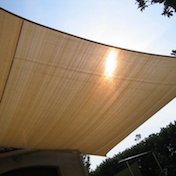
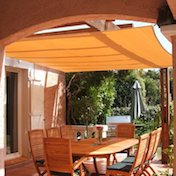
Protection depends on the fabric specification and colour. A high-quality breathable HDPE shade sail can block up to around 95% of harmful UV rays while still allowing air to circulate.
Is installation difficult?
Basic installations can be managed by a competent DIY user, provided the fixing points are strong and the sail is properly tensioned. Larger or exposed installations require more planning.
Where should it be attached?
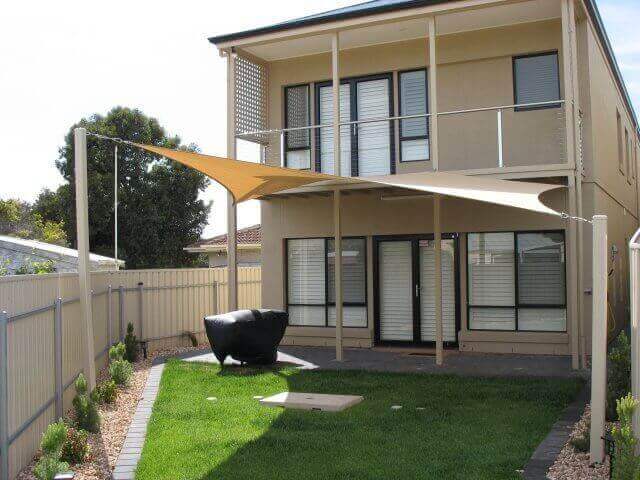
Use solid walls, properly installed posts or another strong structure. The fixing points must be able to handle both sail tension and wind load.
Which shape is best?
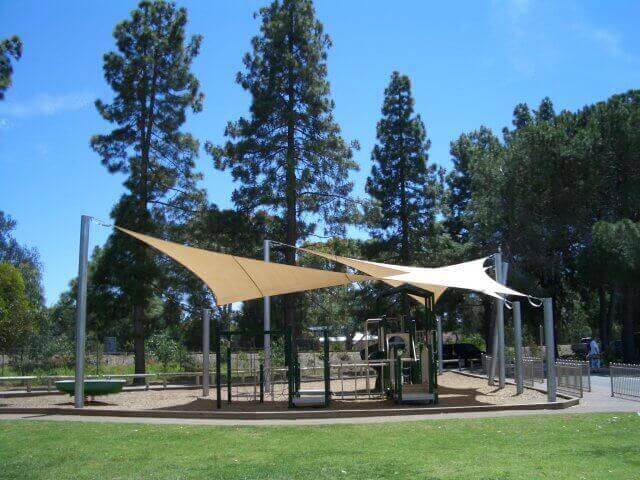
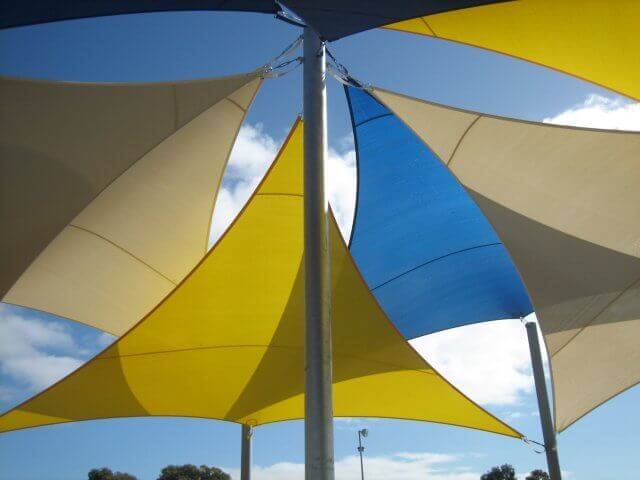
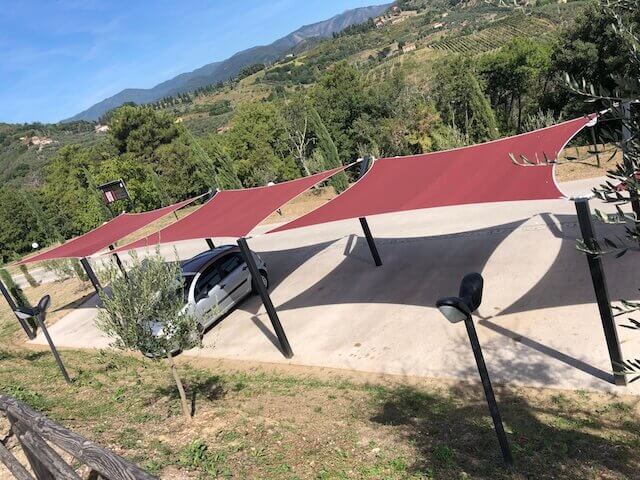
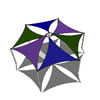
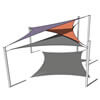
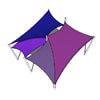
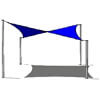
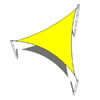
Triangle sails are flexible and decorative. Square or rectangular sails usually give more even coverage for larger areas.
Why does the sail need tension?
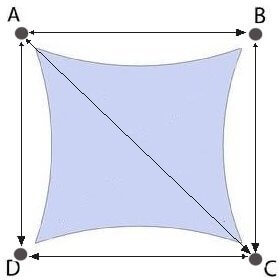
Tension keeps the sail stable and reduces flapping. A loose sail wears faster and puts uneven load on the fixings.
Can it stay up all year?
That depends on the weather and installation. It should be removed during very strong winds, heavy storms or snow.
Is it waterproof?
Breathable shade sails are not waterproof. They are designed primarily for shade, airflow and UV protection.
How should it be cleaned?
Use water from a garden hose and, if needed, a very soft brush. Avoid harsh chemicals and pressure washing.
Why choose a shade sail rather than a parasol?
A shade sail can cover a larger area, keeps the ground clear and provides a more permanent, architectural look.
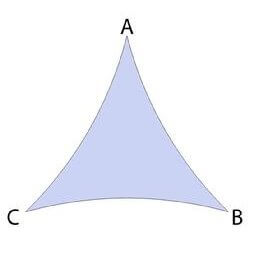
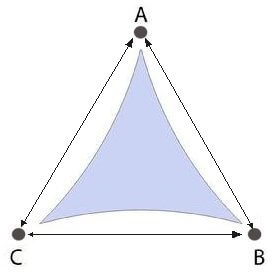
Why are the edges curved?
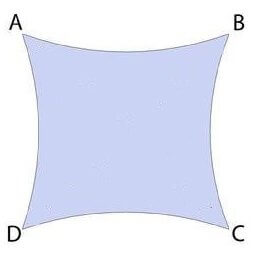
The curved edges help the fabric tension correctly. This creates a stronger, more stable surface.
Layout and shape examples
 |
 |
 |
 |
 |
UV protection
 |
 |
 |
 |
 |
Shade sail shape and curved edges
 |
 |
 |
 |
Need the right model?
Review the catalogue and installation guide before ordering.
Useful links
For choosing, installing and ordering.
Coolaroo shade sails for patios, gardens and outdoor living
Our Coolaroo shade sails suit patios, gardens and pool areas across the UK, with breathable fabric, strong UV protection and reliable fixing options for a wide range of outdoor spaces.
